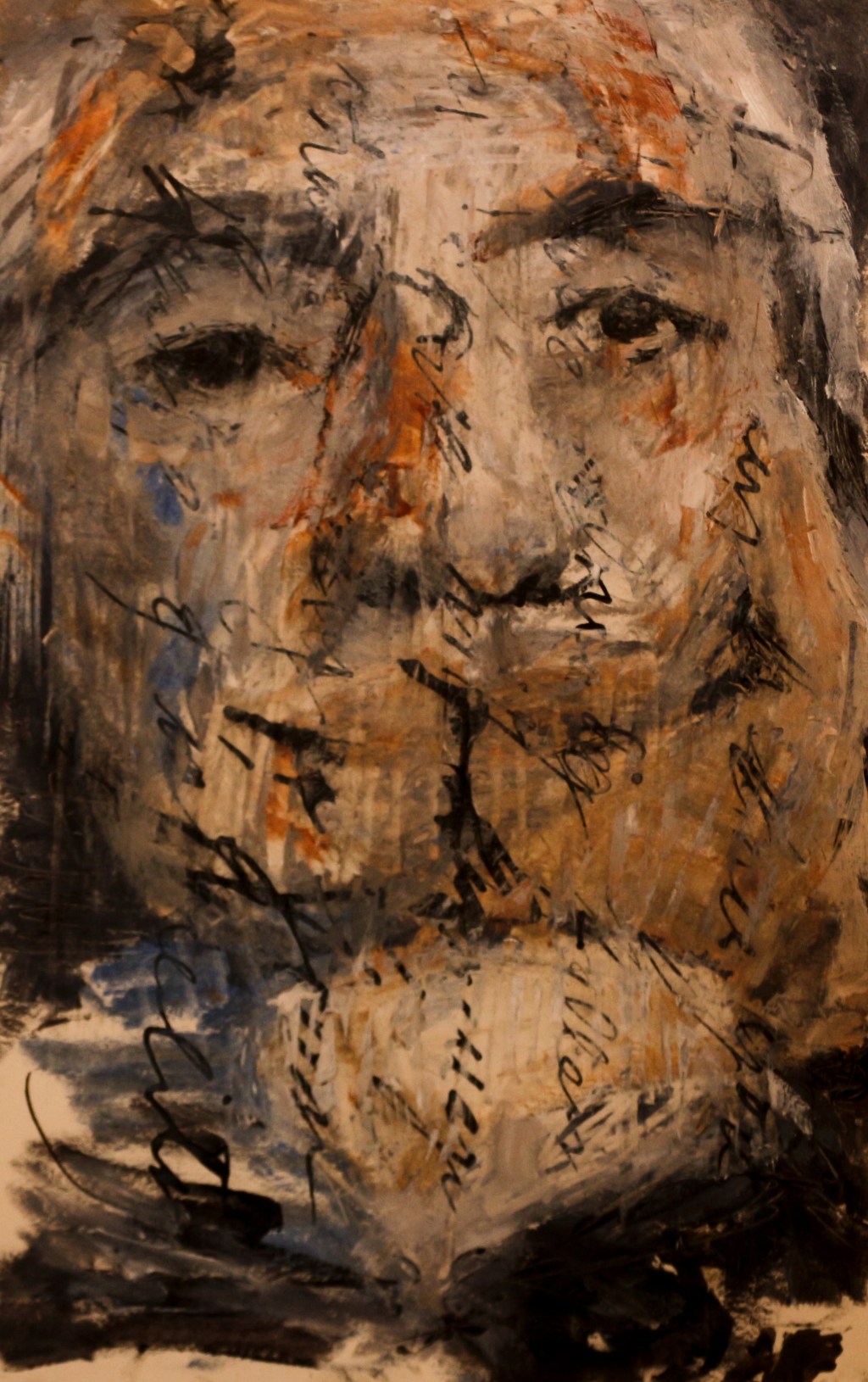
Jeanette Lamb is a writer, visual artist, and professor whose work explores memory, identity, and the intersections of art, philosophy, and public life. With a background spanning Europe and the United States, she brings together academic research, artistic practice, and cultural diplomacy to create spaces where history and contemporary experience meet.
Her visual work — painting, photography, and mixed-media installations — often draws from archives, letters, and overlooked histories, transforming them into poetic reflections on time, loss, and belonging. Exhibited internationally, her pieces have appeared in galleries, cultural institutions, and collaborative salons exploring memory and human rights.
As an educator, she has taught art history, philosophy, and cultural studies at universities in Europe and the United States. Her academic work bridges research and practice, linking historical inquiry with contemporary cultural conversations and digital humanities initiatives.
She is the founder of Digital History Projects, and (upcoming) EchoLines Studio, a platform for digital history and artistic experimentation, and (upcoming) NetShield, a project addressing online harm and digital safety through research, advocacy, and storytelling. Both reflect her commitment to cultural dialogue, technology, and human rights.
Jeanette also curates private salons and public conversations at the intersection of art, politics, and ideas — gatherings that bring together diplomats, scholars, artists, and activists in spaces of intellectual and cultural exchange.
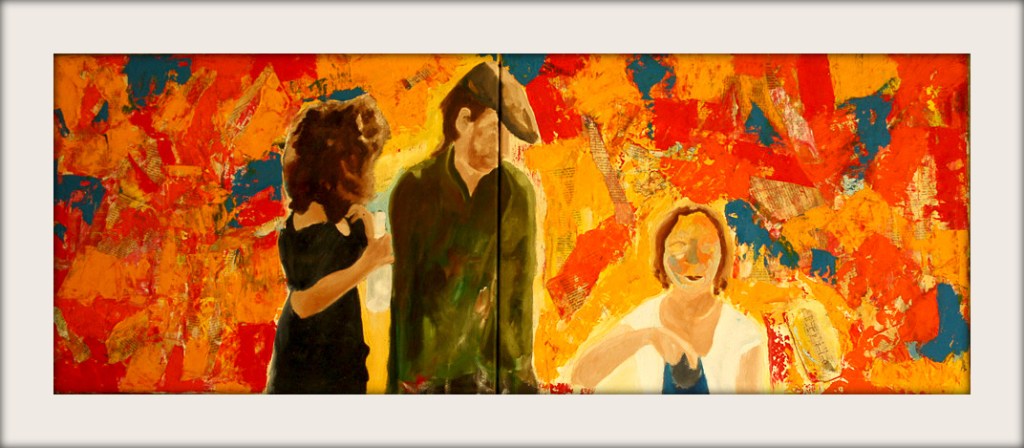
Ich Bin Westi Ich Bin Ostie, Leipzig, 2012
OSTALGIA
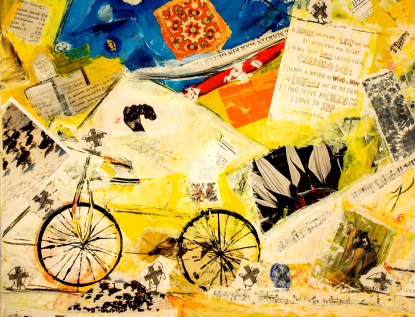
These (now older) works draw inspiration from a spattering of historical & present contexts –namely the Cold War. Compositions are layered with musical scores dating from 1900’s—all originally published in Leipzig, Germany.
Fragments of the scores are surrounded by colors and imagery from the 20th-century that solicit awareness of political upheaval and its impact on the individual. The patchwork of bright, clashing colors (red, orange, yellow) symbolizes both celebration and chaos. This tension mirrors the post-1989 disorientation and the paradox of liberation interwoven with dislocation. These textual textures are not mere decoration. Music—a language often seen as universal—here becomes fragmented. This suggests that even shared cultural mediums cannot resolve the discontinuities imposed by political history. The figures are rendered in muted, earthy colors, making them appear absorbed or overwhelmed by their surroundings. The background threatens to engulf them, suggesting individuals being lost in the spectacle or narrative of state-driven “unification.”
The musical fragments hint at layered time—past melodies, historical scripts, or propaganda. This points to how the past constantly bleeds into the present, disrupting any clean break or “new beginning.” Each figure can be read as embodying different responses to unification: reluctance, detachment, and forced optimism. Their expressions and body language resist any simplistic reading of reunification as healing.
The romantic metaphor of harmony in music is subverted here. Where once music might have symbolized national unity (as in Beethoven’s Ode to Joy), it now becomes a ghostly trace of what unity could never fully achieve. The painting evokes postmemory—a term coined by Marianne Hirsch—referring to the second generation’s relationship to trauma not directly experienced but deeply felt. The viewer is invited to feel the residual effects of history rather than its immediate causes.
The painting evokes postmemory—a term coined by Marianne Hirsch—referring to the second generation’s relationship to trauma not directly experienced but deeply felt. The viewer is invited to feel the residual effects of history rather than its immediate causes.
Ostalgia, Leipzig, 2012
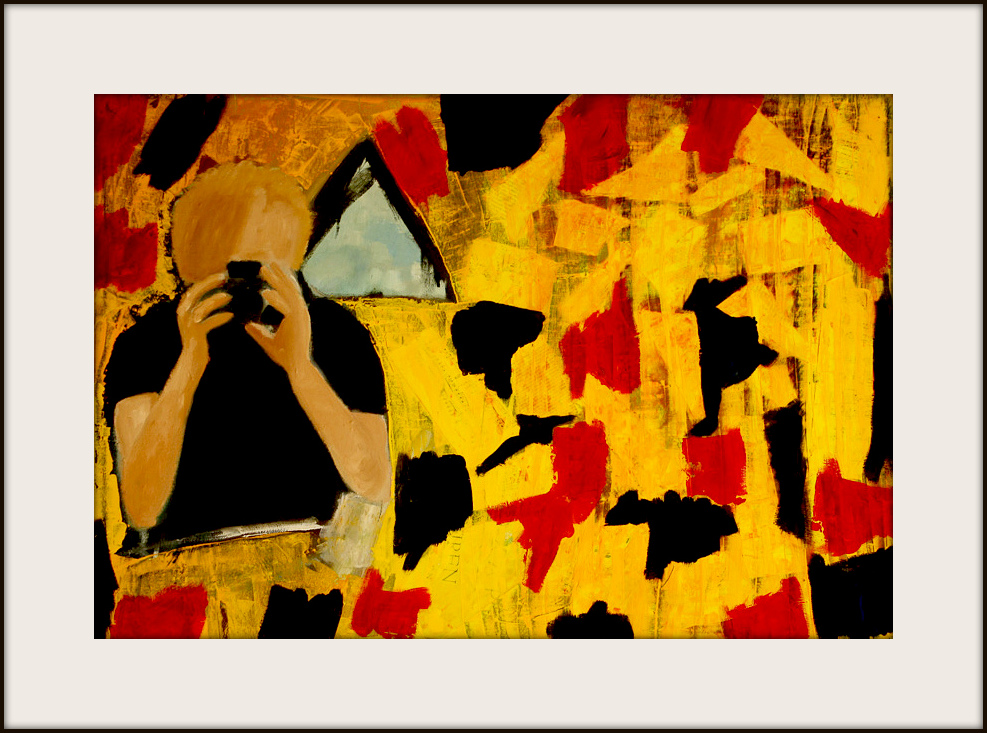
Oil & Handmade Paper on Canvas
—-Surveillance, isolation, and ideological fragmentation are alluded to themes in the painting, “Ostagia.” The main figure visually and emotionally cut off from the rest of the canvas mirrors how individuals were estranged within surveillance states, fearful of both their governments and their neighbors. The background is dominated by the stark tricolor of black, red, and yellow, strongly recalling the German flag—here distorted and fragmented. This implies a specific geopolitical context: the division of Germany as a central stage for Cold War tensions. With brushwork that is jagged, chaotic, and frenetic. Red and black blotches erupt against a yellow field like ideological flare-ups—violent, uncontainable, and unresolved.
Layered Application: Like the Cold War itself, the canvas seems built on layers—paint over text, symbol over symbol. This layering may suggest the constructed nature of Cold War ideologies: propaganda, myth-making, and revisionist histories.
Newsprint & Document Fragments: Faint visible text fragments (as in the prior painting), symbolize state documentation, censored information, or classified intelligence—all of which played central roles in Cold War power dynamics.
Reflections from Faust, 2012
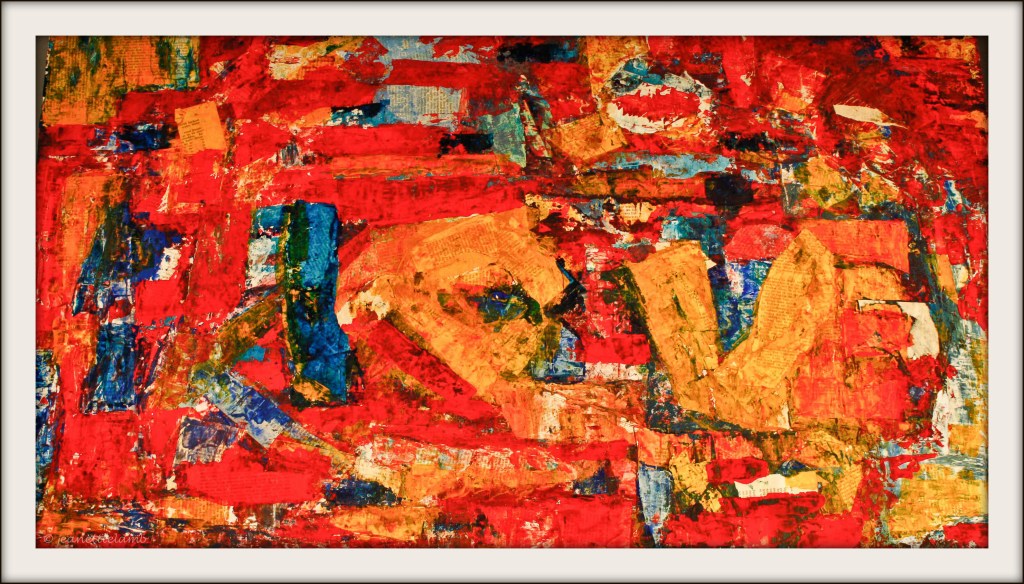
Acrylic, Gauche, Mixed Media (Goethe’s, Faust) on wood
Finding myself in the city of Leipzig was overwhelming for a great many reasons, not the least of which is that the city was home to a number of remarkable artists — Schiller, Bach, Wagner, Schumann, Mendelssohn, and of coarse, Goethe, whose Faust echoes as easily as music through the alleyways of memory in this old town.
About Thresholds of Memory Series:
Fragments Speak Louder Than Declarations
An Interview with Jeanette Lamb
Conducted by: Amira Kovacs
AMIRA KOVACS: Jeanette, thank you for joining me. Your work is known for its fragility—worn paper, erased letters, ephemeral textures. What draws you to those materials?
JEANETTE LAMB: I think it’s the fact that they’ve already lived. There’s something quietly defiant about things that have endured, been discarded, and yet persist. I’m not drawn to clean surfaces. I want what’s been touched, folded, forgotten. Those carry memory in ways no pristine canvas can.
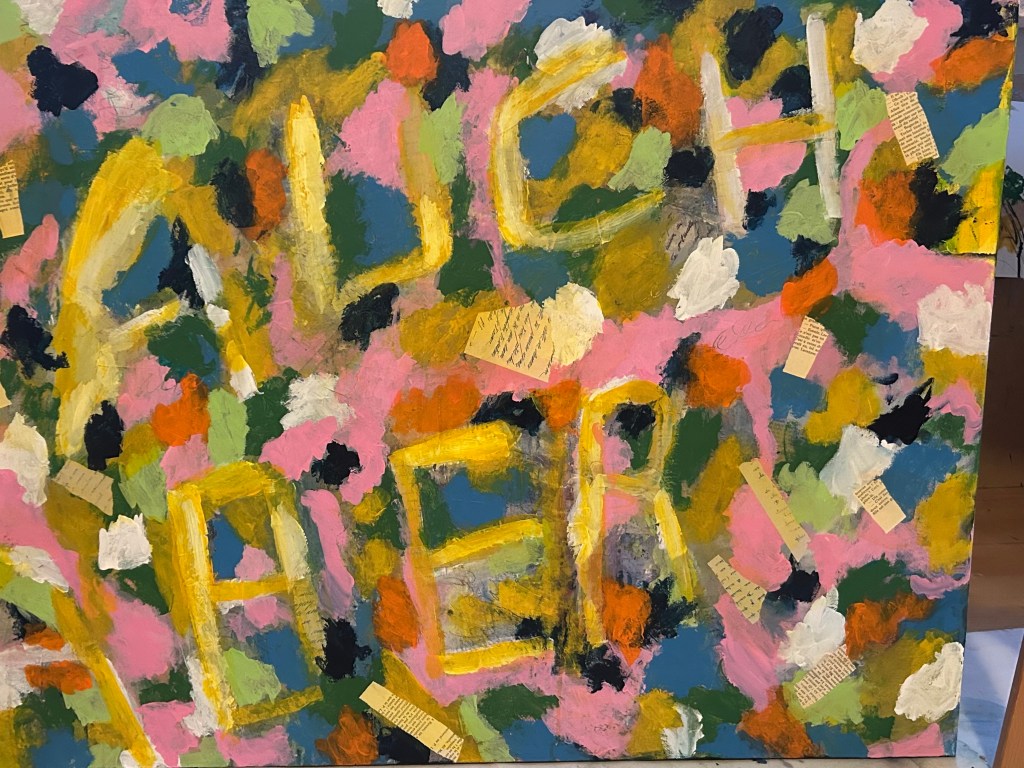
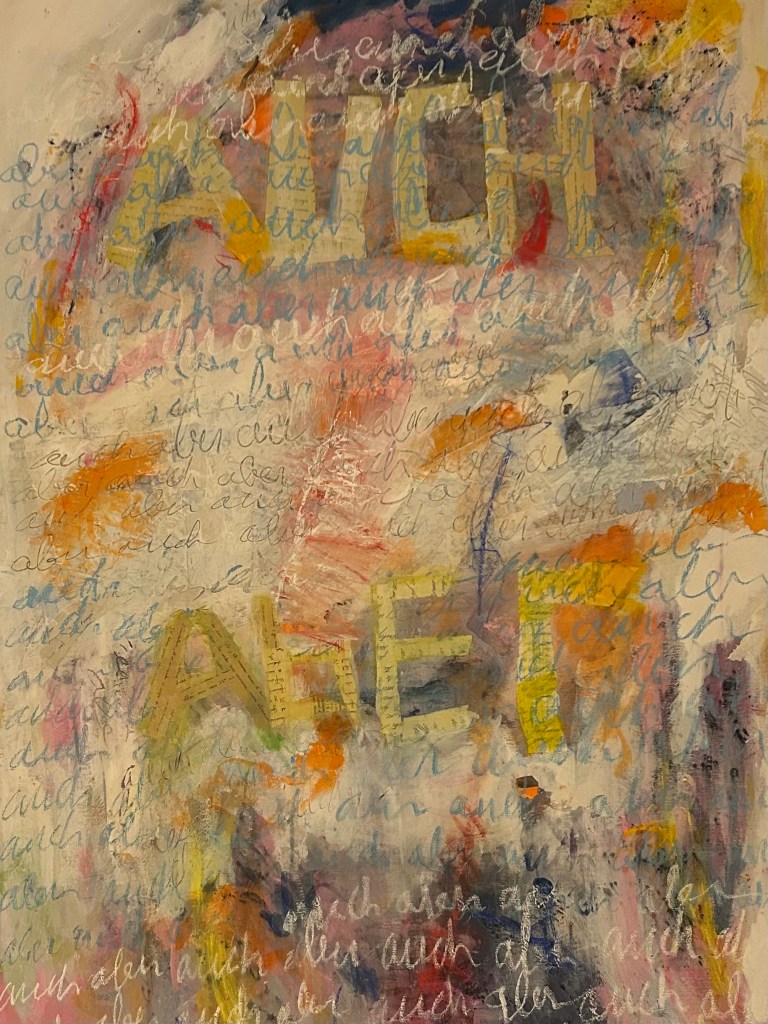
KOVACS: So would you say your work is about memory?
LAMB: Not in a nostalgic sense. Memory isn’t something we possess. It’s porous, inaccurate, disobedient. My work engages with memory as rupture—as what we can’t access directly. I try to paint what’s been repressed, misremembered, or never allowed to exist in the first place.
KOVACS: That same sense of fracture and atmospheric layering shows up in your photography too—especially in the Leipzig and Rome series. How do your photographs relate to your paintings?
LAMB: Photography, for me, is another way of touching the surface of something without fully entering it. The paintings are more interior—more like organs or reliquaries. But the photographs allow me to linger at the threshold of the visible. They’re more observational, but not less haunted. I often photograph light hitting ruins, shadows on walls, inscriptions that have half-erased themselves. Like the paintings, they ask the viewer to slow down and listen for what’s absent.
KOVACS: Do you approach photography with the same emotional or conceptual framework as your painting?
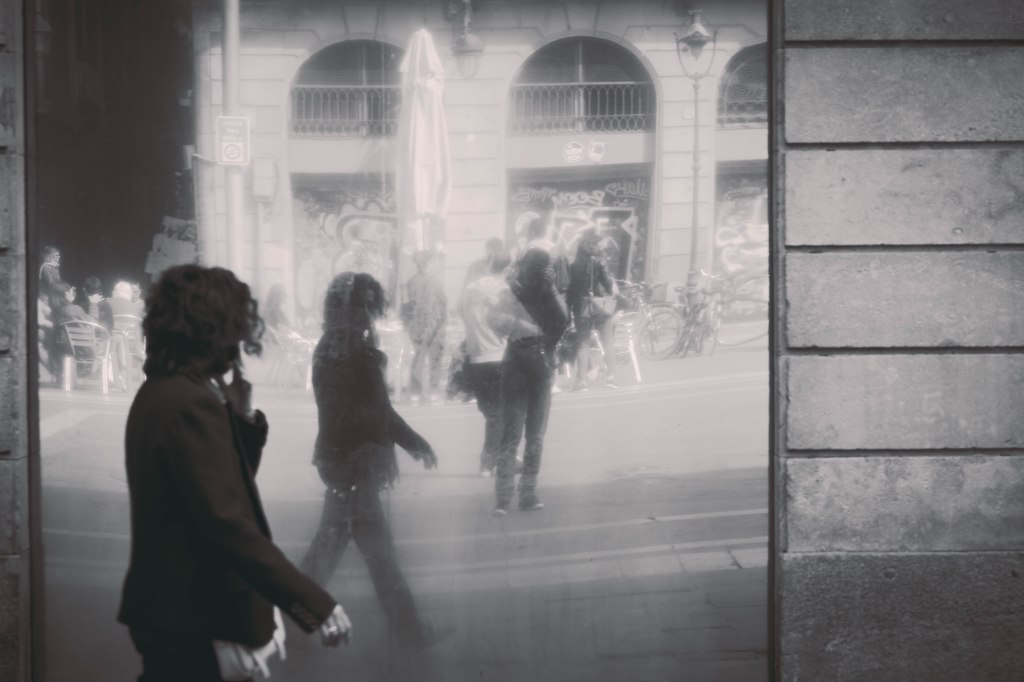
LAMB: Yes, though photography is more immediate—more responsive. It’s about noticing rather than constructing. But both mediums share a reverence for impermanence, and a distrust of the definitive image. I don’t want to capture; I want to converse. I think of both as ways to archive the unarchivable.
KOVACS: You often reference postwar Europe, exile, and queer erasure in your statements and work. Is there a political layer to what you do?
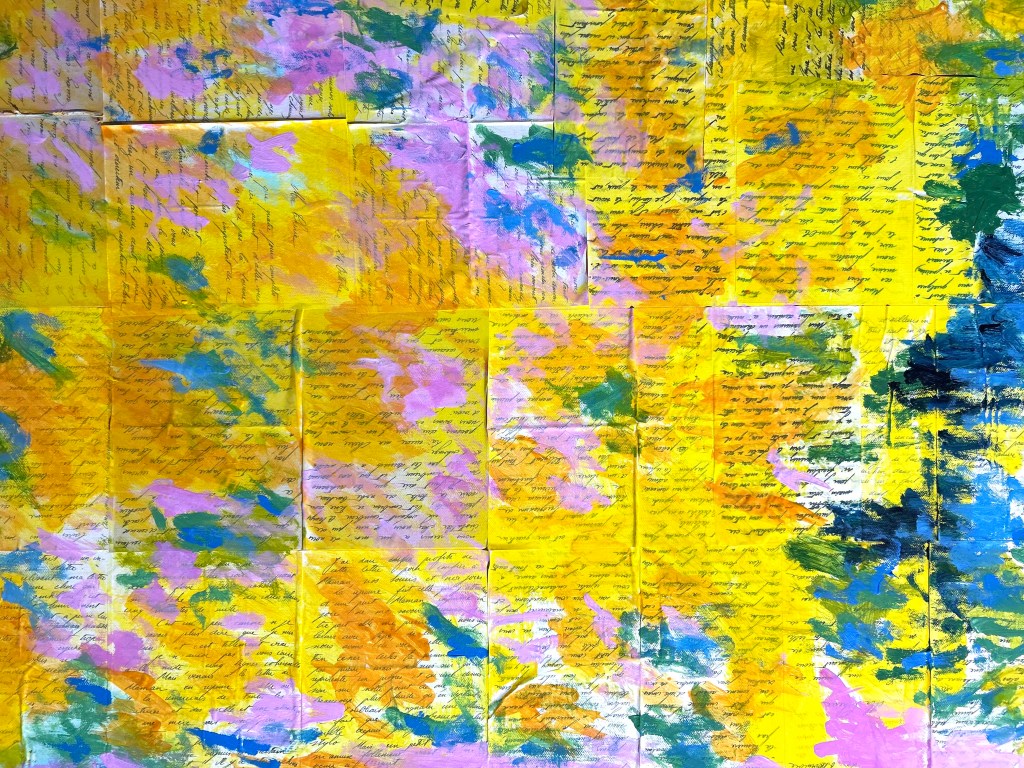
LAMB: I think all work that insists on slowness, on refusal to entertain, is political now. But yes—there is something fundamentally political about recovering silenced histories. I don’t mean just narrating them, but feeling through their remains. That’s why I use fragments. To me, a single scorched letter can say more about a war than a museum wall text ever could.
KOVACS: You mentioned “refusal to entertain.” Do you see yourself as resisting certain art world expectations?
LAMB: I resist anything that demands clarity for its own sake. There’s an obsession with visibility, with coherence. But so much of what shapes us—grief, gender, violence, tenderness—is illegible. Why should art have to translate what’s untranslatable? I’m more interested in what escapes.
KOVACS: Your Instagram page, @graffitigoose, has developed a small but dedicated following. It doesn’t follow trends, and yet it feels incredibly intimate. Do you see it as part of your practice?
LAMB: In a way, yes. I treat it like a sketchbook of fragments—visual, emotional, archival. It’s not about self-promotion. It’s more like whispering into a void and hoping someone who’s listening in the same frequency hears it.
KOVACS: How do you know when a piece is finished?
LAMB: When it’s quiet. When I stop arguing with it. My works often feel like conversations with ghosts, or with past selves. When they fall silent, I let them go.
KOVACS: One last question—what do you hope someone feels when encountering your work?
LAMB: I hope they slow down. That they listen. That something inside them—not their logic, but their memory, their body—recognizes something. Not necessarily what I meant, but what they needed to see.
KOVACS : Jeanette, thank you. As always, your words are as textured and careful as your canvases.
LAMB: Thank you. I think the world needs more quiet conversations.
Solo Exhibitions:
2016
Love Letters, Italy
Fragments of Solidarity, Germany
Art of Here, Germany
2015
Goethe in Pieces, Germany
2012
Ostalgia, Germany
Ist, Ist, Ist, Maybe, Germany
2011
High Society, Germany
Paradiso, Germany
Group Exhibitions:
2024
On Loop, USA
The Factory, UK
Goethe Institute, Italy
2022
JR Project, Paris, France
2017
Fruhling, Madrid, Spain
High Societym Leipzig, Germany
2016
Art of Here! Leipzig, Germany
2015
SuperMacht!, Germany
2014
Hotel Gran Paradiso: 100 Years, 100 Rooms, 100 Artists
Ostalgia, Leipzig, Germany
2011
Ist, Ist, Ist, Leipzig, Germany
2010
The Divine Comedy, France
Published Work
One Imparative (upcoming) 2025
Eat Sleep Draw , I Am Running As Faust As I Can, 2017
Delere Press, Baudrillard, Summer 2017
Visual Verse, The Hunger, 2016
Duende, Goddard College, Reflections of Faust, 2015
Zeit Punkt, 2015
The Daily Palette, Iowa University, Window, 2014
La Quincaillerie en musique! 2014
Cardiff School of Art & Design: Ceramic Residency 2014,, with La Perdrix Arts Center, 2014
Tanja Arlt 2014
Lorenzo Gianmario Galli, 2014
Poniatowski Polski Bar & Restauracja, 2014
Moritzbastei, 2013
Leipjazzig, 2013
Neues-Schauspiel, Leipzig, Bea & Band, 2013
Leipzig Zeitgeist, ISSUE #13: Lazy Days & Water Ways, June / August 2013
Leipziger Volkszeitung, LVZ, 26 2013
Leipzig Zeitgeist, ISSUE #30:RUSSIAN LEIPZIG, September / October 2012
Mountainsmith Adventure Photographer Series, 2012
Dog Traveler
Saalfelder Jazztage Veranstaltungsbeginn 2012
Jazz Calendar DE Jazz, http://www.kalender.de 2012
Community of Practice (C.o.P.) e.V., 2013
Bar Seventy, Leipzig, Germany, 2013
Bea & Banda,.2013
Matador Community, Spinnerei, 2012
Matador Community, Life in La Dordogne, Vichy, France, 2012
La Perdrix Arts Center, 2010
 Jeanette Lamb